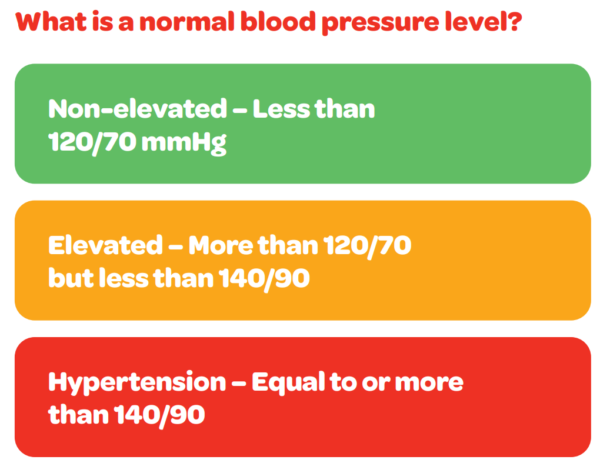
If your blood pressure is consistently higher than 140/90mmHg then you may have high blood pressure.
High blood pressure puts pressure on your heart, and can increase your risk of heart disease or stroke.
High blood pressure rarely has any symptoms.
The only way to know your blood pressure is to have it measured.
Is Your Number Up?
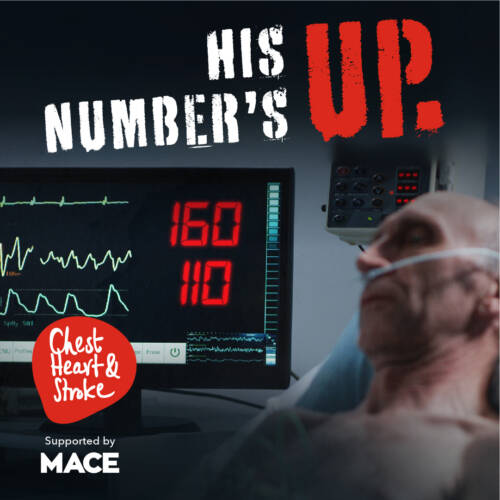
1 in 2 heart attacks & strokes are linked to high blood pressure.
We run our Blood Pressure campaign annually to help raise awareness across NI of this shocking stat and the importance of checking your blood pressure.
Check your blood pressure to know your numbers.
How do I check my Blood Pressure?
- Make an appointment with your GP
- Visit your local pharmacy which may operate a blood pressure monitoring service
- Buy a blood pressure machine for home monitoring
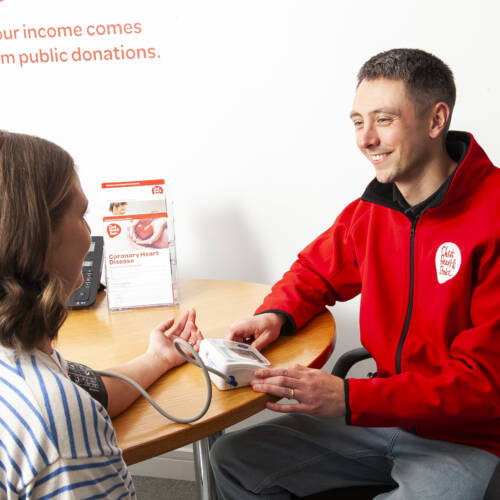
- Book a Well Check with NICHS or come along to one of our free Pop-Up Health Checks - find out more about booking or upcoming pop-ups here.
Checking your Blood Pressure at Home
Buying a blood pressure monitor to use at home can allow you to check your blood pressure easily and regularly. Watch our step-by-step video guide below and download our FAQ Guide below to find out more.
-
 Blood Pressure Monitoring at Home – Frequently Asked QuestionsDownload pdf
Find out more about Blood Pressure:
-
If your blood pressure is consistently higher than it should be it is called high blood pressure (or hypertension).
If your blood pressure is consistently higher than 140/90mmHg then you may have high blood pressure.
High blood pressure is not a disease in itself. However, it can lead to an increased risk of heart disease and strokes.
As a general rule: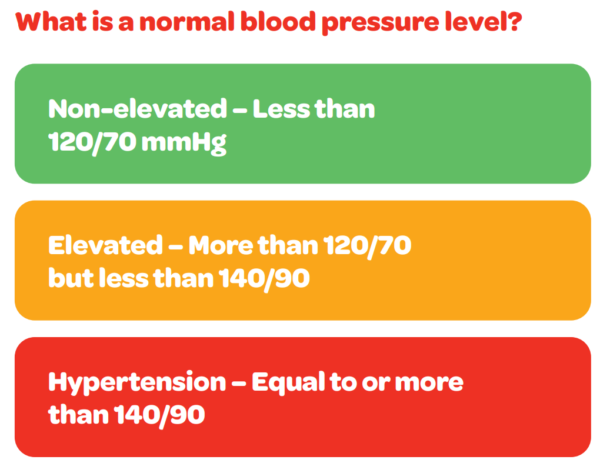
When your blood pressure is taken, two measurements are recorded during a single heartbeat. When your blood pressure is written down you will see a top number and a bottom number.- Systolic Pressure is the top number. This is the pressure when your heart pumps blood through arteries and around your body.
- Diastolic pressure is the bottom number. This is the pressure when your heart is resting in between beats.
Blood pressure is measured in millimetres of mercury or mmHg.
If your blood pressure is consistently higher than 140/90mmHg then you may have high blood pressure, which is medically known as hypertension.
One reading alone cannot diagnose high blood pressure. It must be recorded over a period of time. Generally, the lower your blood pressure, the healthier you are. But low blood pressure can also be dangerous.
People with a reading of around 90/60 or lower are generally considered to have low blood pressure. For some, there may be an underlying cause that could need treatment.
-
High blood pressure is not a disease in itself. However, it can lead to an increased risk of heart disease and strokes.
High blood pressure puts pressure on your heart, making it work harder. Over the years high blood pressure slowly damages the blood vessels by making them narrower and more rigid. It can also cause small tears and damage to the insides of the blood vessels.
As your blood vessels become more damaged and rigid, your heart has to work even harder to push the blood through your blood vessels and the overall blood pressure rises further. It becomes easier for clots to get caught and for fatty debris (atheroma) to block your blood vessels.
This can result in clots that may travel to the heart or brain and cause a heart attack or stroke. Failure to detect and treat blood pressure can lead to heart attack, heart failure or stroke and other conditions like dementia.
-
High blood pressure is often related to unhealthy lifestyle habits, such as smoking, drinking too much alcohol, being overweight and not exercising enough. Making changes to your lifestyle will help to reduce your BP. It is also important to take any medication prescribed by your doctor.
High blood pressure can sometimes be inherited from our family. It can also increase with age.
6 out of 10 strokes could be prevented by managing high blood pressure and leading a healthy lifestyle.
-
Lifestyle changes can help prevent and significantly reduce high blood pressure.
Top Tips for a Healthy Blood Pressure
Maintaining a healthy blood pressure will help reduce your risk of heart and circulatory disease.
There are several changes you can make to your lifestyle to reduce high blood pressure and to maintain a healthy blood pressure:
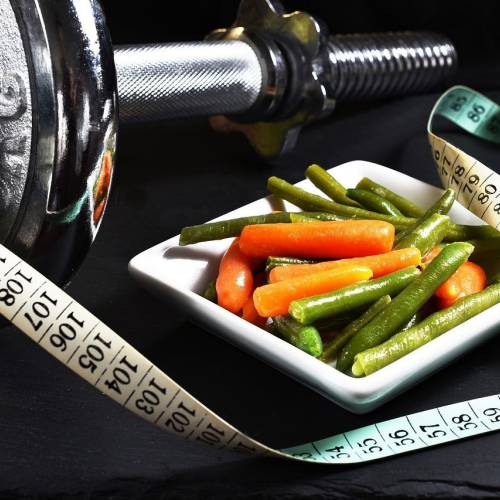
- Reduce Salt Intake - Adults should eat no more than 6g of salt a day (approx. a teaspoonful). Read the labels on food packaging, choose foods lower in salt and try replacing salt with pepper, herbs and spices to add flavour.
- Be More Active - Move more and sit less! Adults should aim for at least 150 minutes of moderate intensity or 75 minutes of vigorous intensity physical activity each week. 2 days of strengthening exercises should also be included.
- Maintain a Healthy Weight - Being overweight means your heart must work harder to do everyday tasks- this leads to high blood pressure. Maintaining a healthy weight involves a combination of eating a healthy diet and being more physically active.
- Limit Alcohol Intake - Drinking too much alcohol increases the risk of high blood pressure and can cause weight gain. We should drink no more than 14 units of alcohol per week, with several alcohol-free days. Men should have no more than 8 units and women no more than 6 units of alcohol per session.
- Increase Fruit and Vegetable Consumption - Fruit and vegetables contain vitamins and minerals, along with fibre which help to reduce the risk of high blood pressure and improve our heart health. We should aim for 5 portions a day which can be fresh, frozen, canned, dried or juiced.
6 out of 10 strokes could be prevented by managing high blood pressure and leading a healthy lifestyle.
If you have been diagnosed with high blood pressure, you should also take medication for high blood pressure as prescribed by your doctor or health professional in addition to making changes to your lifestyle, unless your health professional is happy for you to stop your medication. If you are on blood pressure medication, you should go for an annual blood pressure check to review your medication.
Click here to find out more about lifestyle changes you can make to keep healthy.
-
High blood pressure rarely has any symptoms. The only way to know what your blood pressure (BP) is to have it measured.
High blood pressure is more common as you get older so it is important to get it checked regularly.It is recommended that you have your blood pressure checked at least every 5 years, however, if you are at greater risk due to factors such as a family history with high blood pressure, you may wish to get it checked more regularly.
Even if you are on high blood pressure medication, you should still have your blood pressure checked once a year. Your blood pressure could still be high and you may not know it. If this is the case, you will need to speak to your GP to make adjustments to your lifestyle or medication to treat it further.
People with type 2 diabetes should have their blood pressure checked annually.
If your blood pressure is checked at your pharmacy, during an NICHS Well Check or with an at home blood pressure monitor and is consistently showing over 140/90mmHg, we recommend you make an appointment with your GP for further tests.
If you experience any stroke or heart attack symptoms, always treat this as an emergency and call 999.